

Ø¥ÙبْرَاهÙيم٠عَلَيْه٠ٱلسَّلَامÙ
Ibrahim (AS)
The Friend of Allah
The Workshop of Ur
In the heart of ancient Babylonia, in the bustling city of Ur, a boy named Ibrahim was born into a world of stone and wood. His father, Azar, was a famous sculptor who carved the very gods the people worshipped. While other children played in the streets, Ibrahim grew up in his father’s workshop, watching hands of clay fashion "deities" that could neither breathe nor speak. As a child, Ibrahim’s curiosity was a flame. He once saw his father carving a statue of Mardukh and laughed when told its large ears signified deep knowledge; to him, it was merely a rock that could not hear a whisper. He would even sit on the backs of the finished idols as if they were donkeys, to the horror of the temple priests.
The Search for the Divine
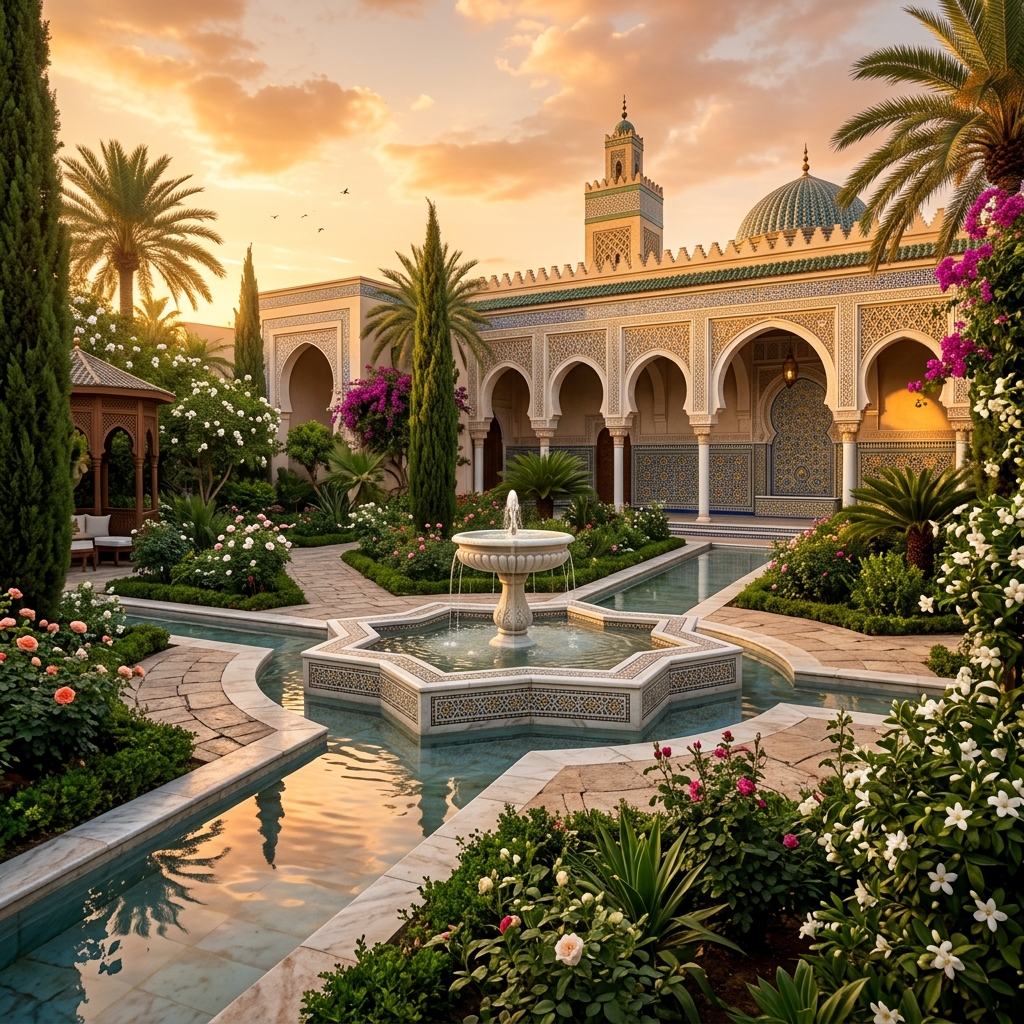
His heart sought something eternal, leading him to the mountains at night. He looked at a star and wondered if it was his Lord, but it set. He looked at the moon and the sun, but they, too, disappeared. "I love not those that set," he concluded, realizing that the true Creator must be the One who made the heavens themselves. The tension between Ibrahim and the idolaters reached a breaking point during a grand city festival. While the townspeople feasted, Ibrahim entered their silent temple with an axe. He shattered every idol into dust, except for the largest one, in whose hand he placed the weapon. When the angry citizens returned and demanded answers, Ibrahim pointed to the giant statue: "Ask the big one!" he challenged. Their own admission—that the statue could not speak—exposed the futility of their worship.

The Trial of Fire and the Tyrant
Enraged, King Nimrod and the priests ordered Ibrahim’s execution by fire. They built a furnace so vast that even birds could not fly over it. Ibrahim was bound and placed in a manjanic, a massive catapult invented by a man named Hazan, to be thrown into the flames from a distance. As he soared through the air, the Angel Jibreel offered him help, but Ibrahim’s faith was absolute: "Allah is sufficient for me". The command was given—"O fire! Be coolness and safety for Ibrahim"—and he emerged from the ashes untouched, his bonds burned away while his skin remained cool. Even after this, Nimrod challenged him, claiming he, too, gave life and death by pardoning or killing prisoners. But when Ibrahim challenged the King to make the sun rise from the west, Nimrod was left speechless. The tyrant's arrogance would eventually be humbled by the smallest of creatures—a mosquito that entered his brain and tormented him until his end.
The Valley of Miracles
Commanded to emigrate, Ibrahim traveled to Haran and then to Canaan. During a famine, he journeyed to Egypt, where Pharaoh was struck by the beauty of Ibrahim’s wife, Sarah. After divine plagues protected her, Pharaoh returned her to Ibrahim with many gifts, including an Egyptian servant named Hagar. In his old age, Ibrahim was led to a desolate valley in Arabia. There, he was told to leave Hagar and his infant son, Ismail, in the dry wasteland of Mecca. As their water ran out, Hagar ran seven times between the hills of Safa and Marwa. Miraculously, beneath the crying baby’s feet, a spring burst forth—the Well of Zamzam. This water attracted the Jurhum tribe, and a city began to rise from the sand.
The Kaaba and the Final Test
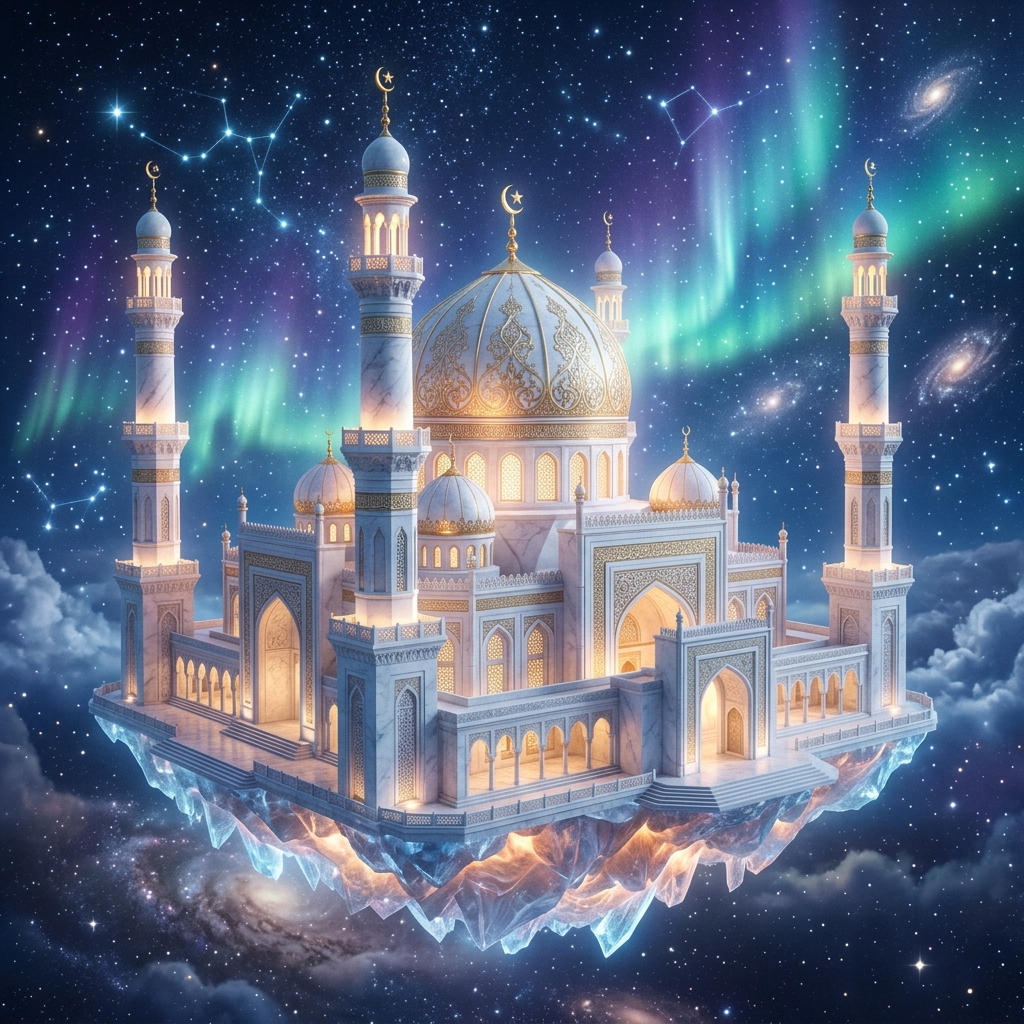
Years later, Ibrahim and Ismail together raised the foundations of the Kaaba, the first house of worship for the One God. Ibrahim stood on a large rock—the Maqam Ibrahim—which softened to hold the imprint of his feet as he built the high walls. Then came the ultimate test of his life: a vision to sacrifice his beloved firstborn, Ismail. Unlike other traditions where the son is unaware, the two shared the dream and submitted to the divine will together. As Ibrahim prepared to fulfill the command, God stayed his hand and provided a ram as a "tremendous sacrifice" in place of the boy.

Signs of Life and Eternal Legacy
Ibrahim’s later years were filled with further signs. He once asked God how He brings life to the dead, and was told to take four birds, scatter their parts on different hills, and call them. They came rushing back to him, whole and alive. He was also visited by angels in human form, who brought him the glad tidings that Sarah, long barren and now elderly, would give birth to a son named Isaac. Prophet Ibrahim passed away at an old age and was laid to rest in the Cave of Machpelah in Hebron, a site he had legally purchased for his family. He left behind a legacy that built nations, established the rites of the Hajj pilgrimage, and forever anchored humanity to the worship of the Unseen God.